
Understanding Problem Gambling
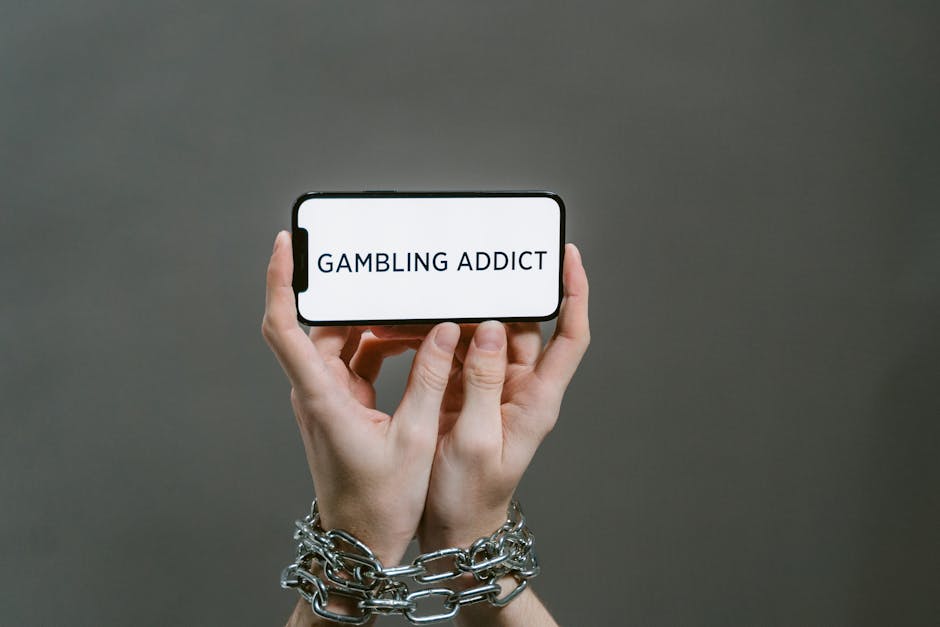
Problem gambling goes beyond occasional losses or playing for entertainment. It involves a persistent and harmful pattern of gambling that disrupts personal, professional, or financial well being. Recognizing the signs early is the first step toward regaining control.
What Is Problem Gambling?
Problem gambling is characterized by the inability to resist the impulse to gamble, even when it leads to serious negative consequences. It affects people from all backgrounds and walks of life. Key features include:
A growing preoccupation with gambling
Increased amounts of money and time spent gambling
Failed attempts to cut back or stop
Continued gambling despite harmful impacts
Common Warning Signs
These behaviors may indicate that gambling has become a problem:
Chasing losses (trying to win back lost money)
Lying to loved ones about gambling habits
Borrowing or stealing money to fund gambling
Neglecting responsibilities at work, school, or home
Feeling anxious, irritable, or depressed when not gambling
Emotional, Financial, and Social Consequences
Problem gambling doesn’t exist in a vacuum its effects often ripple through all aspects of a person’s life.
Emotional Effects:
Feelings of guilt, shame, or hopelessness
Increased stress and anxiety
Heightened risk of depression or suicidal thoughts
Financial Harm:
Mounting debt from losses
Overdrawn accounts or unpaid bills
Strained credit and possible bankruptcy
Social Disruption:
Conflict in relationships or family breakdown
Isolation from friends and social activities
Job loss or declining performance at work
Understanding these impacts highlights why identifying problem gambling early is critical. The sooner intervention happens, the better the chances for recovery and healing.
Professional Support Services
Getting real help starts with reaching out and there are solid, licensed options out there. Trained therapists and counselors with experience in addiction and behavioral health can guide individuals through personalized recovery plans. Many offer in person sessions, but now, more are online too. That makes regular, private check ins easier to maintain.
If you’re in crisis, you don’t have to wait for an appointment. Hotlines and chat based services operate 24/7. They’re staffed by people who get what you’re going through no scripts, no lectures, just help when you need it most. Services like these are a lifeline for moments when quitting feels impossible or when relapse is knocking.
Licensed psychologists and addiction specialists play a bigger role when the situation’s more severe. They can screen for co occurring mental health issues, recommend medical treatment if needed, and act as an anchor in a longer term recovery journey. It’s not just about quitting gambling it’s about rebuilding trust, structure, and stability. That takes more than willpower, and the right professionals can make the load lighter.
Self Exclusion Programs
Self exclusion is a voluntary step people take to distance themselves from gambling environments, either in person or online. It’s a formal agreement you make with a casino brick and mortar or digital requesting to be banned for a set amount of time. That could mean getting denied entry at physical venues, or being locked out of your online accounts across gambling platforms.
In land based casinos, self exclusion often requires you to fill out paperwork onsite, show valid ID, and agree to a specific exclusion period. Once approved, your information is shared with casino staff so they can deny you entry or services. Online, the process is often faster you choose a platform, log in to your account settings, and activate the self exclusion option. Some systems let you apply across multiple sites at once, especially where regulators offer centralized exclusion tools.
Why bother? Because breaks work. Gambling can become compulsive not just a financial issue, but a mental and emotional drain. Taking a pause strips away the triggers: bright lights, fast reward loops, nonstop access. It clears the fog and creates space to build healthier habits.
You can sign up for self exclusion through casino websites, state gambling commissions, or in person at gaming venues. In many areas, national helplines and addiction support services can also walk you through the process and help you pick the right length of time.
For more insight into how self exclusion supports recovery, see self exclusion benefits.
Community Based Resources

When it comes to recovery, sometimes the strongest medicine is knowing you’re not alone. Peer support groups like Gamblers Anonymous operate on that idea. They’re built around shared experience people who’ve been through the same battles, speaking the same language. There’s no therapy degree in the room, just honesty, structure, and mutual accountability. For many, that’s exactly what works.
Group therapy brings a more guided option. Led by trained professionals, it blends emotional support with clinical insight. You get space to talk, tools to cope, and the comfort of knowing others are walking the same road. That said, some people benefit more from one on one counseling. Fewer voices, more personal focus. It depends on the person and where they are in their journey.
But whether it’s a room full of peers or a quiet session with a therapist, the key thread is connection. Isolation feeds addiction; community helps starve it out. That’s why these resources matter not because they solve everything, but because they prove you don’t have to fight alone.
Tools to Regain Control
Breaking free from problem gambling often begins with small, consistent steps. Technology and personal support systems can work together to help individuals regain control of their habits, finances, and time. This section outlines practical tools that provide structure and reduce access to high risk environments.
Smart Budgeting & Time Limit Apps
Digital tools can help rebuild discipline and accountability. Many apps are specifically designed to help users track their spending and limit their time online or in gambling spaces.
Budgeting apps like Mint or YNAB (You Need A Budget) help users visualize their spending, set limits, and stay financially aware.
Time limit tools such as StayFocusd or RescueTime can set boundaries on device usage or alert users when they’ve reached a daily screen time goal.
Many online casinos also offer built in features to limit session time or deposit amounts enabling users to commit to boundaries in advance.
Blocking Software and Browser Extensions
One of the most effective ways to reduce gambling temptation is to limit access entirely. A range of tools exists to help with this:
Website blockers like Gamban, BetBlocker, or Freedom can restrict access to gambling sites across devices.
Browser extensions can be installed to filter gambling related content, redirecting users to helpful resources instead.
Some internet service providers even offer parental controls or content filters that can assist in long term avoidance.
Build Accountability Into Daily Life
Support doesn’t always come from apps it can be human, too. Staying accountable and creating new habits helps fill the void left by compulsive behaviors.
Accountability partners (friends, family, or mentors) can help track progress, offer encouragement, and intervene when risks arise.
Daily routines build structure and predictability, reducing the urge to gamble. This might include exercise, journaling, work scheduling, or new hobbies.
Combining personal systems with digital tools strengthens the overall strategy and improves long term success.
Developing a toolkit of resources both technical and human is a key part of successful recovery. The goal isn’t just abstinence; it’s empowerment and control.
Choosing the Right Path Forward
Not all gambling problems look the same, so support shouldn’t either. Someone with escalating debt and strained relationships might need structured therapy and possibly inpatient help. Someone else dealing with impulse control or emotional triggers might do fine with regular check ins and digital tools. The key is matching the approach to the severity.
That often means blending professional resources with self management. Licensed therapists can tackle root issues. But online support groups, self exclusion tools, and budgeting apps give people day to day control. It’s not one or the other it’s both, working together.
Long term relapse prevention also takes planning. As stress, boredom, or emotional patterns creep back in, the urge to gamble can resurface. The most effective plans build in ongoing check ins, support systems, and backup strategies. Recovery isn’t a straight line. It’s a series of honest recalibrations.
Taking the First Step
Admitting you can’t do it alone isn’t weakness it’s strategy. Asking for help doesn’t make you less. It just means you’re ready to stop letting this thing run your life. Talk to someone you trust: a friend, family member, or a counselor. If you’re not sure what to say, keep it simple. “I think I need help.” That’s enough to start the ball rolling. No rehearsed speech needed.
Supporting others can be just as important. If someone you know is struggling, lean in without judgment. Don’t offer fixes. Offer to listen. Let them decide when they’re ready to act. Your presence matters more than perfect advice.
Once help is on the table, the focus shifts to building a plan that lasts. This isn’t about quick detoxes or shortcuts. Sustainable recovery means structure: scheduled therapy, daily check ins, locked down finances, committed boundaries. It won’t look the same for everyone, but it needs to be realistic and maintainable. Better to do less consistently than to overpromise and burn out.
And if you’re still weighing that first step, take a look at how self exclusion programs can offer breathing room. Time away from the triggers can help you reset and think clearly. Learn more here: self exclusion benefits.
 Founder & Chief Editor