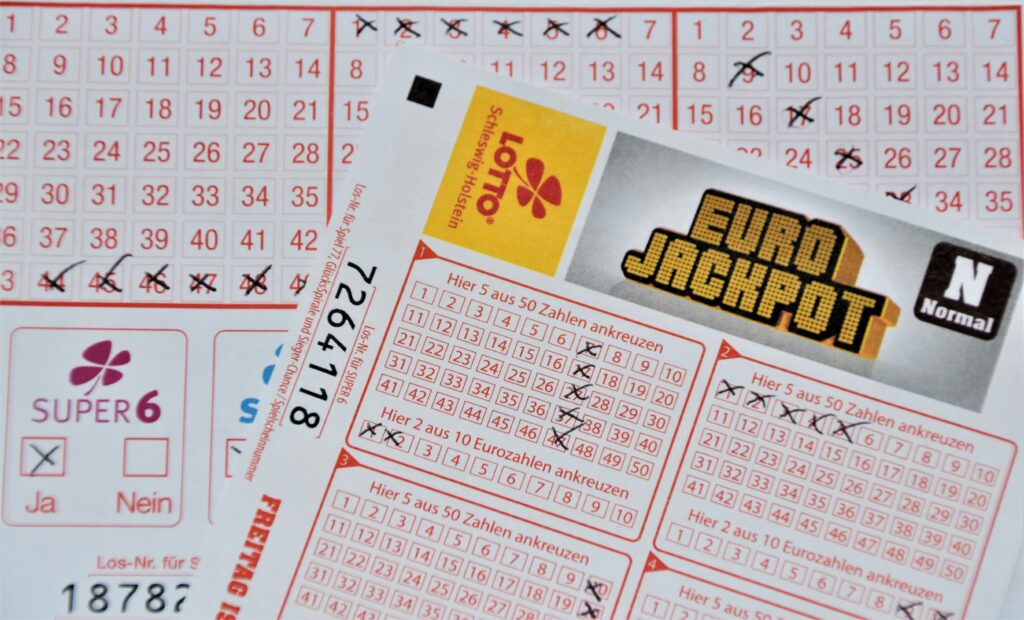

Understand the Odds Before You Pick
The first thing to know: not all jackpot games are built the same. Some have higher odds, more frequent draws, or bigger pools but that doesn’t mean they’re all equally good options. Powerball and Mega Millions can offer massive payouts, but their odds are also sky high. Smaller regional games or daily draws might pay less, but your chances of hitting something anything are better. Know what you’re playing. Know what you’re up against.
Now let’s talk numbers. A lot of people think some combos are luckier than others. They’re not. A sequence like 01 02 03 04 05 06 feels unlikely, but statistically, it’s just as valid as any other. Same goes for your “lucky” birthday set or digits you’ve played for years. The lottery doesn’t track emotional history.
And then there’s the hot versus cold number myth. The idea that certain numbers hit more often or are “due” soon. Sounds good. Doesn’t hold up. Every draw is random. If a number hasn’t shown in weeks, it’s not waiting for a comeback tour. It’s just doing what random numbers do showing up when they feel like it. If you’re basing picks on temperature metaphors, you’re playing the wrong game.
Balanced Number Selection Matters
If you’re picking numbers for jackpot games like you’re decorating a wedding cake perfectly symmetrical, evenly spaced, all in the same range you’re doing it wrong. Balanced number selection isn’t about visual appeal, it’s about boosting your odds of not splitting the pot (if you’re lucky enough to win).
Mixing high and low numbers gives you a better shot at covering less common combinations. A ticket with only low numbers (like 1 31) is more likely to match other players who choose based on birthdates. That narrows your slice of the jackpot. Blend in some higher numbers, and you’re already making smarter decisions than most.
Same goes for odd and even combos. Smart players aim for a mix something like three odd and three even on a six number ticket. That spread reflects what research shows often appears in draws. All odd or all even combinations do hit, but far less frequently.
And yet, symmetry persists. Patterns like 5 10 15 20 25 30 or sequences like 1 2 3 4 5 6 look clean, even clever. But lottery draws aren’t impressed by neatness. These combos rarely occur, and when they do, dozens sometimes hundreds of players choose them. That means a split prize hardly worth framing.
So skip the patterns, ditch the symmetry, and go for balanced, random looking choices. You won’t trick the odds, but you might avoid blending in with the crowd.
Don’t Follow the Crowd
Everyone thinks their birthday is lucky. The problem? So does everyone else. Choosing numbers like 1 31 whether for birthdates, anniversaries, or other memorable dates clumps your picks into a narrow range. That’s not just about limiting your odds of landing a winning combo. If you do win, you’re more likely to be splitting the pot with multiple people who had the same idea.
Same goes for common patterns. Rows, diagonals, or recognizable number shapes on lottery slips might look fun, but they attract enough players to make a shared jackpot all too likely.
The smarter move? Think outside the box. Use the full number pool. Mix in high and low values, and steer away from numbers that show up in everyday life. You won’t increase your odds of winning, but you’ll improve your odds of keeping more of the prize if you do.
In jackpot games, independence pays. Literal dollars more, in some cases. So ditch the crowd pleasers and make your own quiet strategy.
Use Data to Inform, Not Dictate

Looking at past jackpot draws can feel like flipping pages in a mystery novel you’re always looking for a pattern, a sign, something hidden in the chaos. The trick? Knowing when to stop reading too much into it.
Yes, historical draws can help you understand probabilities. You might find that certain numbers hit more often than others in a short window. That’s useful, but not predictive. Patterns in lottery draws are almost always illusions statistical noise dressed up as insight. If you start choosing numbers based only on what “feels hot,” you’re gambling on superstition, not logic.
The smarter approach is using data to build balanced selections. Look at how numbers distribute across ranges (high/low, odd/even). Understand the game’s probability model. But resist the urge to think you’re spotting a trend when you’re really just catching randomness in motion.
Instead of trying to beat the system, use what the data offers: clarity about what’s unlikely and what’s just neutral ground. That knowledge can help you avoid common traps like choosing sequences, overloading one range, or repeating past draws verbatim.
Watch the numbers, but don’t worship them. That’s how you use data as a tool not a tarot card.
The Case for Consistency
When it comes to jackpot games, consistency isn’t just a buzzword it’s a core part of a smart player’s strategy. While it can be tempting to choose new, random numbers for each draw, always switching things up can actually reduce your chances of spotting patterns or finding a long term method that works for you.
Why Random Every Time Can Hurt Your Odds
Picking brand new numbers for each game might feel exciting, but it can keep you stuck in a cycle of unpredictability. It removes the possibility of long term pattern recognition or evaluating how your system performs over time.
No historical data to analyze or refine
Difficult to track performance and improve strategies
Inconsistent choices = inconsistent results
Developing a System That Works
Successful players often rely on a set of rules or patterns when choosing their numbers. This doesn’t mean chasing superstitions it means applying logic and discipline.
Choose a mix of high/low and odd/even numbers
Avoid sequences and commonly used combos (like birthdays)
Test your system over time and adjust based on outcomes
A solid system allows you to make informed choices and stick to a plan, rather than relying solely on chance.
Adapt or Stay the Course?
Just because you have a system doesn’t mean it can’t evolve. Smart players review their approach regularly and decide whether to tweak or stay consistent.
Monitor results and be ready to make small adjustments
Don’t abandon your plan after one bad result track trends over time
Consistency builds familiarity, but adaptability ensures relevance
Want to take your system further? Explore more tips to develop your strategy
Building a sustainable number picking approach aligned with your playing habits gives you more control and more satisfaction every time you play.
Avoid Common Mistakes
Let’s get blunt: jackpot games are pure chance. That’s the foundation. So expecting a big win after playing once a month isn’t just unrealistic it’s setting yourself up for disappointment. Like anything that involves odds, consistency matters. Sporadic play won’t get you closer to a jackpot.
Then there’s the classic trap emotional or financial over investment in a “lucky” number. Maybe it’s your birthday. Maybe it’s been “whispering” to you all week. Doesn’t matter. No number has a better chance than another, and doubling down on one set again and again isn’t strategy it’s sentimentality.
And if you’re chasing losses? Stop. That mindset turns a game into a grinding loop. Throwing more money at the problem won’t swing the odds in your favor. It just drains your wallet and clouds your judgment. Recognize when to play, how much to risk and when to walk away. That’s how you stay in the game without losing control.
When and How to Use Quick Picks
Sometimes, the best move is to let go and let the machine handle it. Quick Picks random number combinations generated by the system are popular for a reason. They’re fast, easy, and eliminate decision fatigue. For casual players or those who don’t have a system, Quick Picks keep things simple and get you into the game without overthinking it.
That said, they come with tradeoffs. Since Quick Picks are widely used, there’s a chance you’ll end up sharing a jackpot with other players who got the same combo cutting your payout. You also give up any personal strategy or pattern, which matters more to folks who believe in consistency over chaos.
There are situations where randomization makes sense. If you’re new, playing across multiple tickets, or just trying your luck without expectations, Quick Picks can save time and reduce second guessing. Some big winners have hit the jackpot using Quick Picks and swear by them. Others avoid them completely, preferring to stick to hand picked numbers they trust.
Bottom line? Know your goal. If you want to play it smart over the long haul with a strategy, Quick Picks may not be your tool. But if you’re after no fuss fun with a shot at surprise luck, they’re worth considering.
Final Thought: Strategy Beats Superstition
There’s no system that guarantees a jackpot. That’s the nature of chance it doesn’t care what your plan is. But planning still matters. While luck is out of your control, preparation isn’t. The smartest players treat number selection as one piece of a much bigger puzzle.
That means not just picking numbers that feel right, but making those choices part of a clear and consistent strategy. Are you playing weekly? Are you sticking with your numbers or refining them over time? Do you have a set budget, or are you chasing outcomes? These choices separate the daydreamers from the disciplined.
Preparation doesn’t promise results, but it gives you structure and a better shot at walking away with more than just wishful thinking. For more on building a solid system, check out how to develop your strategy.