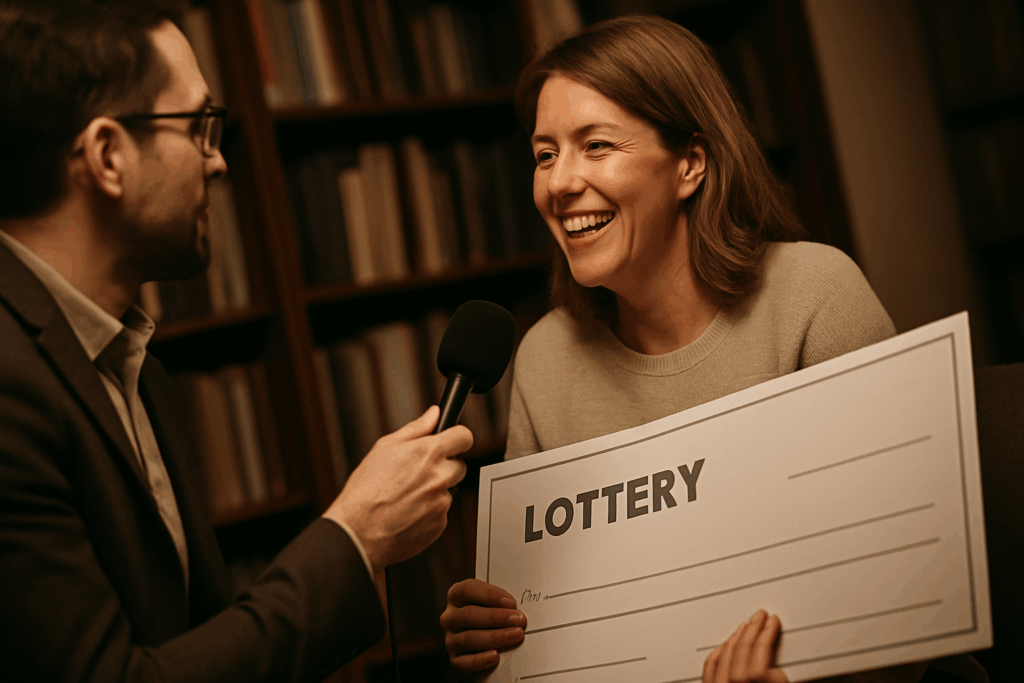

The First 48 Hours
Winning a life changing jackpot hits like lightning. First comes the shock raw and surreal. Then joy, loud and fast. But almost immediately, the pressure sets in. Texts roll in from family you haven’t heard from in years. Headlines are ready to print your name. Strangers have opinions and expectations. It’s a cocktail of chaos and winners feel it hard.
That’s why the first rule for most financial advisors is simple: disappear. Staying anonymous isn’t just about privacy. It’s about protection. Overnight wealth can attract scammers, lawsuits, long lost ‘friends,’ and financial predators. Most lotteries allow claims through a legal entity or trust. The smart ones take that route.
The next step? Build your circle. Not your social one your legal and financial one. You’ll need a lawyer who knows asset protection. A certified financial planner who’s dealt with windfalls before. An accountant who understands tax implications in detail. Trusts need to be structured, money needs to be parked someplace stable, and taxes will come faster than you think.
The money can wait. The planning can’t.
Spending Sprees and Cautionary Tales
The fantasy kicks in fast: beachfront mansions, Lamborghinis, private jets. When the numbers hit, many winners go from everyday budgeting to burning millions in a matter of months. It’s not surprising few people are prepared for instant wealth. Big wins often lead to a shopping frenzy that includes homes, cars, designer everything, and once in a lifetime experiences.
But that runaway spending has a cost. Some winners blow through fortunes thinking there’s no bottom. Overspending is just the beginning bad investments, risky ventures, loans to everyone who ever sent them a Christmas card. The pressure to share the wealth can be just as draining as the money itself.
Take a look at Jack Whittaker, who won $314 million and lost nearly all of it to lawsuits, theft, and addiction. Or Evelyn Adams, who won the lottery twice and gambled it all away in Atlantic City. Their stories aren’t outliers they’re warnings. You can read more in these biggest jackpot outcomes, but the message is simple: easy come, often easy go.
Striking it rich doesn’t mean you suddenly know how to handle money. Sudden wealth needs structure, not speed. Otherwise, odds are you’ll just end up where you started only with a bigger story to regret.
Long Term Moves Winners Actually Make

After the adrenaline cools, the smart money shifts from what you can buy to what you can build. Jackpot winners who go the distance almost always make one key move early: they treat their windfall like capital, not cash. Real estate, index funds, dividend stocks these aren’t flashy, but they compound over time. It’s how short term luck turns into long term legacy.
Some winners go entrepreneurial. They start businesses they actually care about, not just what’s trendy. Others fund nonprofits or back causes they’ve always believed in. A few use their money to free up their time to write, make music, travel with purpose. The quiet thread? They choose control over chaos.
Most of them learn quickly: it’s not about private jets or magazine covers. It’s about setting up a life that’s stable, private, and free. No viral yachts. No forced reality shows. Wealth, used correctly, becomes the background not the headline.
Real World Case Studies
Behind each winning ticket lies a unique story some uplifting, others cautionary. These real world cases offer insight into what comes after the confetti settles.
From Jackpots to Real Life: Where Are They Now?
Many jackpot winners experience staggering highs followed by unexpected lows. Not all winners mismanage their money, but enough do to turn “lottery curse” into a recognizable phrase. Here’s what happened to a few notable names:
Jack Whittaker (2002, $315 million Powerball)
Initially celebrated for his generous donations and big personality, Whittaker later faced a troubling spiral of legal issues, theft, and personal loss. His story is a key example of wealth without a plan.
Gloria MacKenzie (2013, $590 million Powerball)
At 84, MacKenzie won one of the largest jackpots ever and chose to stay relatively private. Her story demonstrates the benefits of discretion and sound financial advising.
Manuel Franco (2019, $768 million Powerball)
Franco kept details minimal, but media picked up signs he pursued long term investing and a quiet lifestyle evidence that some winners do learn from past cautionary tales.
Jonathan Vargas (2008, $35 million Powerball)
At only 19 years old, Vargas tried launching a TV show and investing in entertainment ventures. The projects failed, and he largely disappeared from public view.
Lessons Through Hindsight
These cases underline timeless truths about sudden wealth:
Money magnifies personality, it doesn’t change it. Impulsive personalities often become more so when given newfound freedom.
Without a plan, the money often disappears. Even tens or hundreds of millions can’t withstand unchecked spending and poor investments.
Privacy is powerful. Many successful winners choose low key lives over high profile lifestyles.
Professional advice counts. Across the board, those who consulted attorneys and financial advisors fared better in the long run.
“Winning doesn’t make your problems go away it gives you the ability to solve them smartly… and the freedom to ignore smart choices entirely.”
These real cases show that what happens after a win depends more on mindset and planning than the size of the check.
Smart Frameworks for Sudden Wealth
When the dust settles and the checks clear, jackpot winners face a quiet but critical task: managing their new reality. A simple but effective rule some turn to is the rule of thirds split the pot into three parts: spend, save, invest. One third for enjoying the windfall, one third for securing a cushion, and one third for setting up wealth that lasts. It’s not flashy, but it works especially when the temptation to go big is loud.
That’s where a professional team makes all the difference. A trusted financial planner to build the long term map, a CPA to protect it from tax pitfalls, and a legal mind think estate attorney with a calm demeanor to help quietly set up trusts and transfer assets intelligently. Winners who treat their newfound money like a business tend to preserve it. Those who freestyle usually don’t.
Interestingly, some of the most successful winners are the ones who disappear from the spotlight. No yachts, no chain of restaurants, no breaking news interviews. They stay low, keep life simple, and let their money work quietly in the background. For them, wealth isn’t about being noticed. It’s about being secure and staying sane.
Takeaways for Anyone Dreaming Big
Winning the jackpot brings real change no doubt. Debt can vanish overnight. Dreams that once felt out of reach suddenly sit in your hands. But here’s the truth that doesn’t make headlines: money doesn’t fix who you are. It amplifies what’s already there. The insecurities, the blind spots, the habits, the emotional baggage they don’t disappear. If anything, the pressure turns up. Family expectations shift. Friends treat you differently. New problems show up in the glow of old wishes granted.
The winners who last, who actually build something that sticks, tend to move slow. Flashy purchases feel good in the moment but fade fast. The ones who take time plan the next five years instead of the next five days tend to hold onto their sanity (and their money). They stay grounded. They lean on a financial team, protect their privacy, and resist the urge to impress.
But even the smartest financial plan means little without emotional readiness. Sudden wealth hits like a psychological freight train. Therapy, support networks, quiet time these aren’t luxury add ons. They’re survival tools. Jackpot winners who thrive long term don’t just manage money. They manage themselves.